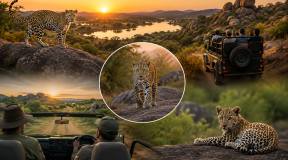
If you have only one question before booking a trip to Rajasthan’s leopard country, it is probably this one: what time does the safari actually start? Fair enough. Get the timing wrong and you either wake up for nothing or miss the best light of the day.
The good news is that Jawai leopard safari timings are simple. Jeeps go out twice a day, once in the early morning and once in the late afternoon, and the slots shift by about half an hour between summer and winter. What matters more is knowing which slot suits you, how the seasons change your chances, and what to do between drives.
This guide covers all of it: exact timings, the difference between morning and evening drives, the best months to visit, other safaris around Jawai, and a few things we wish every guest knew before they arrived. If you want help with a booking right away, the team at Agvani Resort Jawai can sort it out for you.
Jawai Leopard Safari Timings at a Glance
Here is the quick answer for planning purposes. The Jawai leopard safari runs twice a day, and the start time in the morning moves slightly with the season.
| Season | Morning Safari | Evening Safari |
|---|---|---|
| Summer | 5:30 AM to 8:30 AM | 4:00 PM to 7:00 PM |
| Winter | 6:00 AM to 9:00 AM | 4:00 PM to 7:00 PM |
Each drive lasts around three hours. That is long enough to cover several viewpoints, wait patiently at a promising rock and still have time to enjoy the landscape.
A word of caution before you set your alarm. These are the usual timings, but they can change a little depending on the weather, the light and the safari team’s own schedule. It is always smart to confirm your slot a day or two before you travel. You can do that quickly through the contact page, or by reading the current details on the main Jawai safari page.
If you want the bigger picture of how a safari day works at Jawai, our earlier guide to the Jawai Jungle Safari covers the routes, wildlife and surrounding places.
Morning or Evening Safari: Which One Should You Pick?
If you have time for only one drive, most guides will tell you to take the morning. But the honest answer is that both have their charm, and ideally you would do both.
The morning safari. Leopards often spend the night hunting, and in the early hours they are still on the move or settling down for the day. The air is cool, the light is soft and golden, and the hills are quiet. This is the slot for photographers and for anyone who wants the best shot at a sighting. The trade-off is the wake-up call. In winter it is properly chilly in an open jeep, so dress in layers.
The evening safari. From 4:00 PM, the rocks begin to cool and the cats come out to stretch, climb and look around. The light turns warm again, and the hills glow. It is also an easier slot if you are travelling with children or older family members, since nobody has to be up before sunrise. Sloth bears are sometimes spotted near dusk as well.
If you are staying two nights or more, a good plan is to do an evening drive on arrival day, a morning drive the next day, and then repeat whichever one gave you the best sightings. Leopards are wild animals, and no two drives are the same. Giving yourself three or four drives raises your chances in a way that a single trip cannot.
For a closer look at what the big cats do and where they are most often seen, read our guide to the leopard safari in Jawai.
How Safari Timings Change with the Seasons
Why does the morning slot start earlier in summer? It comes down to heat and sunrise.
In the hotter months, the sun rises early and the day warms up fast. By mid-morning, the rocks are baking and animals have retreated into shade. Starting at 5:30 AM gives you the cooler window when leopards are still around and the temperature is bearable for you too. The evening drive stays at 4:00 PM, though the afternoon can still feel hot, so a hat, sunscreen and plenty of water are not optional.
In winter, sunrise comes later, so the morning drive starts around 6:00 AM. Mornings are cold, sometimes properly cold, and the first half hour in an open jeep can sting. A wind-proof jacket, a scarf and a cap make a real difference. By the end of the drive, the sun has usually warmed things up and you will be glad of the layers you can take off.
The evening drive is the same in both seasons, but the quality of light is different. Winter evenings are clear and crisp, with sharp views of the hills. Summer evenings can be hazy with dust, which sometimes gives a dramatic orange glow.
One more thing: sunset times keep shifting, and safaris are expected to end before dark for safety. So the finishing time of 7:00 PM may move slightly in peak winter, when the sun sets earlier. This is another reason to check your slot at the time of booking.
Planning a winter trip? Our guide on why winter is the best season for a Jawai leopard safari explains the season in detail.
Best Time to Visit Jawai for a Leopard Safari
Timings tell you when to wake up. The season tells you when to come. Here is how the year breaks down.
November to February: the sweet spot. Days are pleasant, nights are cold, and the skies are clear. Leopards stay active, and you will often see them roaming or resting on the rocks after a night of hunting. This is the most comfortable time to sit in an open jeep, and it is when most visitors come. Book early, especially for December and January. If you are heading out in that month, read our post on the Jawai leopard safari in December, and for the holiday rush, the Christmas and New Year getaway guide.
October and March: the shoulder months. The weather is still comfortable, there are fewer people, and sightings remain good. October can be warm in the afternoons, and March starts warming up fast. A smart choice if you want a quieter trip.
April to June: summer. It gets very hot, and daytime temperatures can be tough. Safaris still run, but they are less comfortable and sightings can be less predictable as animals look for shade and water. If you must travel in summer, take the 5:30 AM slot and carry plenty of water.
July to September: monsoon. The landscape turns green and beautiful, and there is a certain magic to the hills after rain. Wildlife sightings are occasional rather than regular, and heavy rain can affect the tracks. Come for the scenery, not for a guaranteed leopard.
Want to go deeper into planning around the weather? Visit the best time to visit Jawai page, or check how to reach Jawai before you finalise dates.
What to Expect During a Jawai Leopard Safari
A Jawai safari is quieter and more patient than most people imagine. You are not racing from one animal to the next. You are driving through rocky hills and open scrub, stopping often, switching off the engine and listening.
The vehicles are open-top jeeps, driven by experienced local guides. They know the hills, the favourite resting spots and the habits of individual leopards. When they point at a ridge, look carefully. A leopard’s coat blends so well with the granite that even keen eyes miss it until the guide says, “There, just left of that bush.”
Every safari has a rhythm. You will cover rough ground at a gentle pace, pause at a viewpoint, scan with binoculars, and move on if nothing shows. When a leopard does appear, the whole jeep goes still. Some sightings last a minute. Others last half an hour, with the cat yawning, grooming or simply watching you back.
Leopards are the headline, but they are not the whole story. The area is also home to Indian foxes, langurs, striped hyenas, sloth bears, marsh crocodiles, reptiles and a large number of bird species. Even on a drive without a leopard, you are likely to see something worth remembering.
The ride itself is bumpy and dusty. If you have a bad back, let the team know in advance. Bring a scarf or mask for the dust, and keep your valuables secure.
And please remember, no responsible operator can promise a sighting. What good timing, a good guide and a bit of patience can do is give you the best possible odds. For more on the wider safari experience, read about the best leopard safari provider in Jawai and what to look for when choosing one.
Other Safaris in Jawai Between Leopard Drives
The leopard drives take up the early morning and late afternoon. That leaves the middle of the day free, and Jawai has two good ways to fill it.
Bird, crocodile and Jawai Dam visit: 8:00 AM to 11:00 AM. This one is a gentle outing around the reservoir. You can look for marsh crocodiles basking on the banks and a good mix of resident and migratory birds on the water and in the trees. It is a lovely, relaxed way to spend a morning, and a great choice for birders and photographers.
Village safari: 10:00 AM to 1:00 PM. Here the focus shifts from animals to people. You visit local villages, meet the families who have shared this land with leopards for generations, and learn how daily life works alongside wildlife. For many guests, this turns out to be the most memorable part of the trip.
Together, these slots mean you can plan a full day without feeling rushed. A common pattern looks like this: leopard safari at dawn, breakfast and rest, a village visit or dam trip in the late morning, a long lunch and a nap, then another leopard drive in the evening.
If you want every part of this arranged for you, take a look at our Jawai leopard safari packages or the Jawai tour packages. Travelling with a larger party? Our post on the Jawai group tour will give you ideas.
Tips for a Successful Jawai Leopard Safari
A few simple habits can turn a good safari into a great one.
- Dress to blend in. Wear comfortable clothes in earthy greens, browns and greys. Bright colours stand out and can disturb wildlife.
- Layer for the season. Winter mornings are cold in an open jeep. Summer mornings are cool, then hot quickly. Layers you can add or remove work best.
- Pack the right gear. Binoculars, a camera with a zoom lens, spare batteries and extra memory cards are worth carrying. Our wildlife photography guide has more camera tips.
- Follow your guide. Listen carefully to instructions, stay seated in the jeep and never try to feed or touch any animal.
- Be patient and observant. Wildlife spotting takes time. Keep your eyes and ears open, and enjoy the quiet while you wait.
- Keep noise low. Whisper, silence your phone and avoid sudden movements.
- Respect the land. Do not litter. The leopards here stay relaxed around visitors because people behave well, and that goodwill is worth protecting.
- Arrive on time. Being late can cost you the best light and the best sightings.
- Book ahead in peak months. From November to February, slots fill quickly.
Stay Close to the Hills: Agvani Resort Jawai
When the morning safari starts at 5:30 or 6:00 AM, where you sleep matters. A long drive before dawn is no way to start a wildlife trip.
Agvani Resort Jawai is set among the granite hills near Bera, so you are close to the safari action and can get back for breakfast and rest between drives. Guests can choose luxury tents, cottages or options with a plunge pool, which suits couples, families and friends travelling together.
You can see the rooms and grounds in the gallery, check seasonal rates on the tariff page, and read more about the property in All About Agvani Resorts. Teams planning a getaway can look at our guide to corporate offsites in Jawai, and anyone who likes sleeping outdoors should read about camping in Jawai.
Our address is Near HP Gas Agency, Bera, Rajasthan 306126. For safari slots and bookings, call +91 74269 36663 or write to info@agvani.com.
Jawai Leopard Safari Timings FAQs
1. What are the Jawai leopard safari timings?
The safari runs twice a day. In summer the morning drive is about 5:30 AM to 8:30 AM, and in winter about 6:00 AM to 9:00 AM. The evening drive is about 4:00 PM to 7:00 PM in both seasons.
2. Which is better, the morning or the evening safari?
The morning drive is usually preferred for sightings and photography, thanks to cool air and soft light. The evening drive is more relaxed and also very rewarding. If you have the time, do both.
3. How long does one safari last? Around three hours per drive, depending on the season and what you find along the way.
4. Can the timings change?
Yes, slightly. Weather, daylight and the safari team’s schedule can shift the start or end time. Please confirm your slot when you book, through the contact page.
5. What is the best month for a leopard safari in Jawai?
November to February is the best window, with pleasant weather and active leopards. October and March are good quieter alternatives. Read more on the best time to visit Jawai.
6. Will I definitely see a leopard?
No one can guarantee it, since these are wild animals. Jawai gives you a strong chance, and taking two or three drives raises the odds.
7. What other safaris can I do in Jawai?
A bird, crocodile and Jawai Dam visit runs from about 8:00 AM to 11:00 AM, and a village safari from about 10:00 AM to 1:00 PM.
8. What should I wear on a Jawai safari?
Muted, earthy colours, layers for cold mornings, a hat and sunscreen for the heat, and comfortable shoes. Avoid bright colours.
9. Should I book the safari in advance?
Yes, especially from November to February, when demand is highest. See the safari packages guide for booking options.
10. Where can I check prices and stay options?
The tariff page and tour packages list current options.
Plan Your Jawai Leopard Safari with Confidence
Knowing the timings takes the stress out of the trip. Early morning and late afternoon are the heart of the Jawai leopard safari. Add a dam visit or a village safari in the middle of the day, choose the right season, and you have a trip that feels full without ever feeling rushed.
The cats are out there on the rocks. All that is left is to pick your dates.