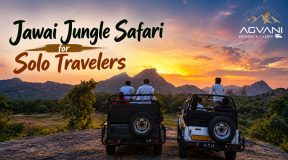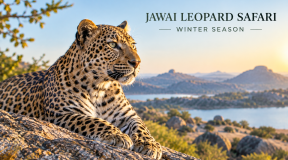
It is a little past sunrise. The jeep has stopped at the foot of a granite hill, your guide has gone quiet, and then you spot it. A leopard, stretched out on a warm rock like it owns the place. That is the Jawai Jungle Safari in a nutshell, and it is why so many wildlife lovers now pick Jawai over the usual tiger-circuit stops.
Jawai sits in Pali district, in the southern part of Rajasthan, around the Jawai Bandh and the Jawai Leopard Conservation Reserve. The landscape is a mix of boulder-strewn hills, dry scrub, open grassland and a big reservoir. Leopards, sloth bears, striped hyenas and a long list of birds live here, and the local Rabari herders have shared this land with them for generations.
In this guide we will walk you through how the safari actually works, what you can realistically expect to see, when to go, what else to do nearby, and how to plan the whole trip. If you would rather talk to someone right now, the team at Agvani Resort Jawai is only a call away.
What Is the Jawai Jungle Safari?
The Jawai Jungle Safari is a guided jeep drive through the rocky hills and open scrubland around Jawai Bandh, in the Jawai Leopard Conservation Reserve. It is one of the few places in India where you can see wild leopards in the open, often in broad daylight, without trekking for hours or paying for a long shot at luck.
Why does it work so well here? Because of the land. Jawai is dotted with huge granite outcrops, and the leopards use the caves and ledges as dens and lookout points. You are not peering into thick forest hoping for a glimpse of a spotted tail. You are scanning bare rock faces, and the cats tend to settle where the view is best.
There is also a human story behind it. The Rabari community has grazed livestock across these hills for centuries, and the leopards have learned to live alongside them. That relationship is a big reason the area feels so different from a fenced national park. Villages, temples, farms and wildlife all share the same landscape, and you will notice it from the very first drive.
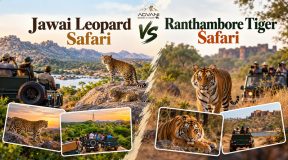
If you are comparing options, our guide on Jawai Leopard Safari vs Ranthambore Tiger Safari explains how the two experiences differ. And if you want the details of safari slots and pricing, the main Jawai safari page has them.
Wildlife You Can Spot on a Jawai Safari
Let’s be honest about expectations first. No safari can promise a sighting, and anyone who says otherwise is selling you something. What Jawai offers is a very good chance, better than most places in the country, and a lot of other wildlife to enjoy while you wait.
Leopards. These are the stars. Jawai has one of the densest leopard populations you will find outside a protected tiger forest, and they are surprisingly relaxed around jeeps. Early mornings and late afternoons are the best windows, when the cats move down from their caves or sit out on the rocks to warm up or cool off.
Sloth bears. Shaggy, a little comical and not to be trifled with. Sloth bears here are usually spotted around dusk, digging at termite mounds or wandering near the base of the hills. Your guide will keep a respectful distance.
Striped hyenas. Less talked about, but a real treat. They are shy and mostly nocturnal, so a sighting feels special. Keep an eye on the edges of rocky slopes.
Marsh crocodiles. The Jawai reservoir holds a healthy population, and you can often see them basking along the banks. Combine that with the water birds and you have a good half-day of viewing.
Birds. From raptors circling over the granite to herons, storks and migratory ducks on the water, Jawai is quietly excellent for birders. If you carry a camera with a long lens, read our Jawai wildlife photography guide before you pack.
You may also see desert foxes, jackals, mongooses, peafowl and nilgai, depending on the day. Every drive is different, and that is half the fun. For a deeper look at the big cats specifically, head over to our post on the leopard safari in Jawai.
How the Jawai Jungle Safari Works: Jeeps, Guides and Routes
Most safaris here run in open-top jeeps, which gives you a clear view in every direction and makes photography far easier. You sit high, the engine is switched off at sightings, and you wait quietly while the cats get on with their morning.
Every trip goes out with a trained local guide. These are not just drivers. Many grew up in the villages around Jawai, and they know which ledge a particular leopard favours, which waterhole the bears visit and how the animals behave through the seasons. Ask questions. A good guide will happily tell you about the plants, the birds and the local history too, and those stories often turn a sighting into a memory.
The routes change from day to day. One drive may take you along rocky hillsides where the leopards rest, another through open scrub and farmland, and a third along the edge of the reservoir. The terrain is rough, so expect a bumpy, dusty ride and wear clothes you do not mind getting dirty.
Safaris are usually offered twice a day, one in the early morning and one in the late afternoon, because that is when the animals are most active. Exact timings shift with the season, since sunrise and sunset move through the year. Please confirm the current slots when you book. You can check the latest options on our Jawai safari page, or ask the team directly through the contact page.
A small but useful point: book your safari before you arrive, especially from October to March. Jeep numbers are limited, and good slots go quickly.
Best Time for a Jawai Leopard Safari
Short answer: October to March. Here is the longer version, month group by month group.
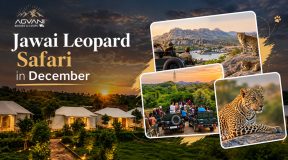
October to February (peak season). The weather is pleasant, with cool mornings, mild afternoons and clear skies. Leopards are active at the edges of the day, so you get better sightings with less discomfort. This is also when most visitors come, so book early. December and January in particular fill up fast. If you are planning a winter trip, our post on the Jawai leopard safari in December covers what to expect, and the Christmas and New Year getaway guide helps if you are travelling over the holidays.
March. Still comfortable in the early weeks, then it starts to warm up. A good choice if you want fewer crowds.
April to June (summer). Hot, and we mean hot. Daytime temperatures can climb as high as 45 degrees Celsius. Safaris are tougher on you, but not impossible. Animals head for water and shade, and keen birders sometimes enjoy this window because several migratory and water birds are around the reservoir. If you go, stick to the early morning slot and carry plenty of water.
July to September (monsoon). The hills turn green and the scenery is lovely, but heavy rain can make some tracks hard to use. Spotting wildlife is also harder in the thick grass. Not the best time if leopards are your priority.
Want a broader view of planning your trip around the weather and local events? The page on the best time to visit Jawai goes into it in more detail.
Places to Visit in Jawai Besides the Safari
You will not spend every hour in a jeep, and you should not. The area has plenty to fill the gaps, and several of the best spots are an easy drive from the resort.
- Jawai Dam. Built across the Jawai River, this large reservoir is the heart of the region. The views of the surrounding hills are lovely at sunrise, and the water attracts a good mix of birds. It is one of the easiest and most rewarding stops on any itinerary.
- Jawai Leopard Camp area. The wild country around the granite hills is where the safari happens, and it is worth walking the edges with a guide to understand how people and animals share the land.
- Kumbhalgarh Fort. A UNESCO World Heritage Site built in the 15th century, with enormous walls that run along the ridges of the Aravalli hills. Go early if you want to walk a good stretch of them.
- Ranakpur Jain Temple. A beautiful temple dedicated to Lord Adinath, famous for its finely carved marble pillars. Even if you are not religious, the craftsmanship is humbling.
- Narlai Village. A small, charming village in the Aravallis that gives a quiet look at everyday rural Rajasthan.
- Muchhal Mahavir Temple. A well-known Jain temple, remembered for its unusual idol of Lord Mahavir, which shows a moustache-like detail on the upper lip.
Distances and road conditions change, so check our how to reach Jawai page before you plan a day of sightseeing. If you want everything stitched together for you, the Jawai tour packages cover safaris, stay and local visits in one go. You can also read about the Jawai Bandh holiday packages if you would like to compare options.
Other Things to Do in Jawai
Jawai is not only about leopards. If you have an extra day, or just a free afternoon between drives, here are some good ways to use it.
Trekking and hiking. The Aravalli hills around Jawai have trails that suit beginners and seasoned walkers alike. The views over the countryside are worth the climb, especially at golden hour.
Rock climbing. The granite terrain offers a few challenging routes for people with some experience. If you are keen, ask for a guide who knows the safe lines.
Cultural visits. Old temples, small forts and village life give you a feel for the region’s history. A guided cultural tour is a gentler, slower way to meet the area, and a nice contrast to a safari morning.
Local markets. You will find handicrafts, jewellery and textiles that reflect the traditions of local artisans. Bargain politely and carry some cash, as card machines are rare in small shops.
Picnics and camping. The scenery makes for relaxed picnic spots, and if you like sleeping close to nature, our guide to camping in Jawai will help you choose the right setup.
Rajasthani food. Do not leave without trying dal baati churma and laal maas. Both are rich, hearty and best eaten after a long morning outdoors.
Team trips and offsites. Jawai also suits groups looking for a change from the office. We wrote about it in our post on corporate offsites in Jawai.
Where to Stay for a Jawai Jungle Safari
Where you sleep changes the whole trip. Stay close to the hills and you can be in the jeep within minutes of waking up, with no long, tiring drive before dawn.
Agvani Resort Jawai sits among the granite hills near Bera, and it is built around exactly that idea. Guests can choose from luxury tents, cottages and options with a plunge pool, so couples, families and friends travelling together can each find a setup that suits them. The atmosphere is calm, the food is Rajasthani at its best, and the safari team knows the area well.
If you want to see what the rooms and grounds look like before booking, browse the resort gallery. For room rates and seasonal prices, the tariff page is kept up to date. And if you would like the full story of the property, read All About Agvani Resorts.
You can reach us at +91 74269 36663 or info@agvani.com. Our address is Near HP Gas Agency, Bera, Rajasthan 306126.
Practical Tips Before You Go
A few small things can make a big difference to your Jawai Jungle Safari.
- Dress in muted colours. Earthy greens, browns and greys help you blend in. Skip bright reds and whites.
- Layer up for winter mornings. It can be properly cold in an open jeep at sunrise, then warm by 10 AM. A light jacket, scarf and cap are worth packing.
- Carry sunscreen, sunglasses and a hat for the afternoon and for the warmer months.
- Keep your voice low. Sudden noise sends animals away. Whisper, point quietly and let your guide lead.
- Be patient. Some drives end with a leopard in full view, others with a distant glimpse. Both are part of the experience.
- Bring binoculars. Even a basic pair makes birds and distant rock ledges far easier to enjoy.
- Charge your camera and carry spare cards. You will take more photos than you expect.
- Respect the guidelines. Do not leave the vehicle, feed animals or litter. The leopards stay relaxed here because visitors behave.
Jawai Jungle Safari FAQs
1. What is the Jawai Jungle Safari?
It is a guided open-jeep safari through the hills and scrubland around Jawai Bandh in Rajasthan. It is best known for leopard sightings, along with sloth bears, hyenas, crocodiles and many birds.
2. Where is Jawai located?
Jawai is in Pali district, in southern Rajasthan, not far from Udaipur and the Aravalli hills. The nearest village base for most visitors is Bera. See our how to reach Jawai guide for routes.
3. What is the best time for the Jawai leopard safari?
October to March is the best window, thanks to cool weather and active wildlife. Summer is very hot, and the monsoon can limit access to some tracks.
4. Will I definitely see a leopard?
No one can guarantee it, because these are wild animals. Jawai does give you a much better chance than most places, and many guests see leopards within one or two drives.
5. How long is a safari, and how many are there in a day?
Safaris are generally held in the morning and the afternoon, and each lasts a few hours. Please check current timings with our team when booking.
6. Is the safari suitable for children and older guests?
Yes, in most cases. The jeeps are comfortable enough, though the tracks are bumpy. Children should be old enough to stay calm and quiet. If anyone has back or health concerns, tell us in advance.
7. How much does a Jawai safari cost?
Prices depend on the season, the type of vehicle and whether you book a stay package. The Jawai tariff page and the tour packages list current options.
8. Can I book the safari without staying at the resort?
It is usually easier to book together with a stay, but you can contact the team to ask about options. Use the contact page or call +91 74269 36663.
9. What should I wear and carry?
Muted, earthy colours, layers for cold mornings, a hat, sunscreen, binoculars and a camera. Our wildlife photography guide has more camera-specific advice.
10. How is Jawai different from other Indian safari destinations?
It is open, rocky country where leopards are visible on the hills, rather than a dense forest. If you are exploring other options, read about the top wildlife safaris in India. More questions? Visit our FAQ page.
Ready to Plan Your Jawai Jungle Safari?
The Jawai Jungle Safari is one of those trips that stays with you. The rocky hills, the quiet waiting, the moment a leopard steps into view, and the warm welcome of a village that has lived beside these animals for generations. It is wild India without the crowds, and it suits first-timers and seasoned wildlife travellers equally well.
October to March is the time to go, and the best slots fill early. Whether you want a short weekend break, a family holiday or a photography trip, we can shape it around you.
Agvani ResortJawai
Book your Jawai safari and stay today
Your leopard is waiting. Come and meet it.