Everyone’s got the same picture in their head when you say Jawai out loud. Jeep, dawn light, somebody white-knuckling a camera, and a leopard just chilling on a rock like it owns the place. And yeah, that happens; it’s not made up; it might genuinely be the best fifteen minutes of your whole trip.
But here’s the thing nobody tells you. That’s maybe a third of what Jawai actually is.
There’s a dam full of birds, a village where people have lived next to leopards for generations without a fuss, granite hills that turn gold at sunset, and luxury Jawai resorts where the evening can feel just as good as the morning safari did. This guide covers all of it. The wild parts and the quiet parts, the outdoor activities and the ones that happen after you get back to your room.
What Makes Jawai Bandh a Must-Visit Wildlife Destination
Jawai’s tucked away in Rajasthan’s Pali district, sandwiched between the Aravali hills on one side and a big reservoir on the other. What really gets you, though, is the land itself. Giant granite boulders everywhere, worn down over who knows how many years, and they look so deliberately placed you’d swear someone stacked them on purpose. Leopards have been holed up in the cracks and caves of these rocks for generations now, way longer than anyone around here can actually remember.
Here’s what actually surprises people though, and it’s not the rocks.
- It’s how normal everyone here treats the leopards. Cattle graze a few metres from known leopard dens, and nobody blinks.
- There are temples built right beside caves where leopards sleep through the afternoon heat. No fences, no drama, just two very different kinds of life sharing the same hillside.
You won’t find that anywhere else, not really. That’s probably why word about Jawai keeps spreading among wildlife folks, yet somehow it still hasn’t turned into one of those places where you’re stuck in a line of jeeps waiting your turn.
Top Wildlife & Outdoor Activities in Jawai
This is usually where a Jawai trip starts. Makes sense too.
Leopard Safari in Jawai: Spot the Big Cats in the Wild
This is the big one, the reason most people book the trip in the first place. A Jawai safari runs in open gypsies, usually at sunrise or in the late afternoon, when leopards are more likely to be out.
The trackers here know this land almost too well. Give one of them a few minutes and the day’s light conditions, and they’ll usually have a decent guess about which rock face a leopard’s probably resting on that day.
No wild sighting comes with a guarantee, obviously. But the odds in Jawai are better than most places you’ll visit. Leopards tend to bask out in the open instead of hiding away in thick cover, and safaris run twice a day, so you get two real shots rather than just one.
If you want the actual pricing and timing slots, or you’re trying to figure out how booking even works, we’ve written all of that up separately in our Jawai leopard safari packages guide. Didn’t want to repeat all that here and bloat this post.
Beyond Leopards: Jungle Wildlife Worth Tracking
Leopards hog the spotlight, and sure, they deserve it. But this land holds a lot more wildlife than people expect walking in.
Watch for:
- Sloth bears
- Striped hyenas
- Jungle cats and foxes
- Nilgai, also called blue bull
A jungle safari usually covers more distance than a dedicated leopard trip does. Good pick if you’re more curious about the whole ecosystem rather than just chasing one animal. The dry riverbeds and rocky stretches you drive through are half the fun anyway, leopard or no leopard.
Birdwatching & Crocodile Spotting at Jawai Dam
The dam gets treated like scenery half the time, which is a shame because it’s actually one of the best bird spots around, especially November to February when flamingos and cranes and storks and pelicans basically move in for the season.
Go early in the morning if you can manage it, or late afternoon work too. That’s when there’s the most going on. Binoculars help, don’t need to be a fancy pair, just something. And try not to talk too loud near the water. Birds don’t need much of an excuse to fly off.
Crocodiles hang around the banks the whole time, just lying there in the sun like nothing’s happening around them. Birds wading a few feet away don’t faze them at all. It’s a bit odd to watch, honestly, two things that probably shouldn’t get along, just existing next to each other like it’s nothing. That’s Jawai though.
A Day with the Rabari Tribe
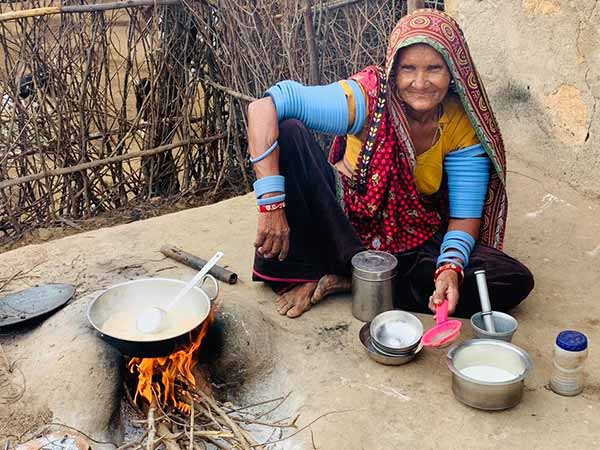
The Rabari have been out here herding animals alongside leopards for who knows how many generations. A village safari is basically your chance to actually see what that looks like instead of just hearing about it.
You end up watching them cook over an open fire, seeing how they keep livestock safe with leopards living practically next door, picking up on little things they do that most of us would never think twice about.
It’s not a fast-paced thing at all. No adrenaline rush, nothing to chase. Just sitting there, talking, watching people go about a day that looks completely different from yours. Weirdly enough, this is the part a lot of guests bring up again later, way more than the safari sometimes.
Off-Roading Through the Granite Hills
If you want something with a bit more edge to it, off-roading’s the move. Dry riverbeds, loose gravel, trails that half the tourists here don’t even know are there.
Bumpy ride. Dusty too, more than you’d expect. And somehow you end up laughing a lot more than you thought you would.
The drivers who grew up around here also know these shortcuts to viewpoints you won’t find on any map, not even the good ones. Worth trying even if you’re not usually into this kind of thing.
Guided Nature Walks with a Local Naturalist
Want to slow down instead? Go for a guided nature walk. The naturalists here point out things you’d just walk past otherwise: tracks left in the dirt, plants locals still use when someone’s sick, small reptiles tucked into gaps in the rock you’d never spot on your own.
Morning’s the best time for this. Light’s softer, and the smaller creatures tend to be out more. Good option too if you’ve got kids along, or honestly if you just don’t feel like rushing anything that day.
Sunset Points & Photography Spots in Jawai
Something happens to these granite hills when the evening light hits them just right, and photographers keep coming back for exactly that reason. A handful of viewpoints across the region give you a wide, open view of the dam and hills together, great for sunset shots, or honestly just sitting there watching the colours change without touching your camera at all.
There are also a few older religious sites worth stopping at, including cave temples built straight into the granite, which double as scenic and cultural stops in the same visit. If sightseeing and temples interest you specifically, we’ve laid out the full list in our guide to the best places to visit in Jawai.
Evening Experiences That Come With Your Stay
Here’s the part most Jawai guides just don’t bother mentioning. A trip here isn’t only about the trail and the jeep and the dust. What you come back to at night matters just as much, and that’s really where staying at a good Jawai resort changes things.
At Agvani, the evenings are built to pair naturally with a day spent chasing leopards or birds or just dust and rocks.
There’s a candlelight dinner set up under an open sky, no city lights anywhere close, just food and quiet. Bonfire evenings come in handy more often than you’d guess, since Jawai nights get properly cold between November and February.
There’s a cocktail hour with the hills changing colour right in front of you, which sounds like nothing until you’re actually there with a drink in hand watching it happen. Poolside time and spa sessions help a lot on the mornings after an early safari start; your body will thank you for it. And cultural evenings with tribal dance performances get arranged on request, giving you a taste of Rajasthani culture without needing to go elsewhere for it.
None of this replaces the wild side of the trip. It just balances it out. That mix, rough days and comfortable nights, is really what separates staying at a proper resort from just camping out in a basic tent.
How to Plan Your Activities During a Jawai Trip
A little planning goes a long way here, mostly because timing genuinely changes what you’ll see and how comfortable the whole day feels.
Mornings are best kept for wildlife. Leopard safaris, jungle safaris, birdwatching- all of it peaks early when animals are moving, and the light works better for photos too.
Midday tends to get warm outside of winter, so that’s your window for the pool, a spa session, or just lying around at the Jawai resort doing nothing at all. Nobody’s judging you for that.
Evenings suit the slower stuff. Sunset points, bonfire nights, cocktail hour, cultural performance-, all of it lands better once the heat’s dropped off and the light’s gone gold.
Quick breakdown by who you’re travelling with:
| Traveller Type | Best-Suited Activities |
| Families with kids | Guided nature walks, village safari, poolside time |
| Couples | Sunset points, candlelight dinner, cocktail hour |
| Solo travellers | Leopard safari, off-roading, photography spots |
| Wildlife photographers | Jungle safari, birdwatching, early morning jeep safari |
| First-time visitors | Leopard safari, village safari, bonfire evening |
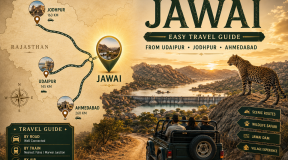
Still working out how you’re actually getting here, or how many days to set aside? Our guide on how to reach Jawai from Udaipur, Jodhpur and Ahmedabad covers that in proper detail.
When to Visit Jawai for Activities & Safaris
October through March is generally the sweet spot for Jawai Bandh. Weather stays manageable, wildlife’s more active, and migratory birds turn up in big numbers between November and February.
That said, leopards get spotted year-round here since it’s not tied to a migration pattern the way bird activity is. Summer months, April through June, get genuinely hot though, so if that’s when you’re travelling, stick to early morning or late evening for anything outdoors.
For a fuller month-by-month breakdown, our dedicated post on the best time to visit Jawai goes into more detail than we need here.
Why Agvani Is the Best Resort in Jawai to Base Your Trip
There’s a lot to pack into one Jawai trip. Safaris, the village visit, sunset points, and then whatever you do back at the resort each evening. Where you stay decides how much of that actually happens without you feeling rushed the whole time.
Agvani sits right where you want it to. Close to the safari zones, so a 6 am start isn’t some huge ordeal. And close enough to comfort too, so when you get back covered in dust, there’s a bonfire waiting, or dinner by candlelight if that’s more your speed.
It’s one of the older, more established luxury Jawai resorts, and it shows in how the place is run. Wild setting outside, real comfort inside. A few days here feel like an actual break, not something you’re gritting your teeth through.
Rooms come in three flavours. Luxury tents if you want that classic camp feel. Cottages if you’d rather have four solid walls. Or cottages with a private plunge pool if privacy and a bit of extra indulgence matter to you.
Basically, if everything in this guide sounds like your kind of trip, this is a fair place to start planning it from. Drop us a message on WhatsApp, and we’ll help you work out the stay.
Ready to Experience Jawai for Yourself?
Jawai was never meant to be a one-thing trip, and hopefully this guide made that clear. Track leopards across granite hills in the morning, then end the same day with a drink at sunset and dinner under a sky full of stars. That kind of range is hard to find anywhere else.
Wildlife, culture, or just a slower kind of luxury- whatever brought you here, Agvani gives you a solid base to actually enjoy it. Stop reading about it and come see it for yourself. Message us on WhatsApp, and we’ll get your stay sorted.
FAQs About Activities in Jawai
What are the best activities to do in Jawai?
Leopard safari’s the obvious one, but jungle safari, birdwatching at the dam, a village visit with the Rabari tribe, off-roading, and nature walks all belong on the list too. The resort side of things- bonfires, dinners, that sort of thing- rounds it off.
Is leopard safari the only reason to visit Jawai?
Not even close. It’s what gets most people booking in the first place, sure, but birdwatching, crocodile spotting, the village tours, off-roading, all of these hold their own even without a leopard in sight.
What is the best time of year for activities in Jawai?
October to March, mostly. Weather’s easier to deal with, and there’s more wildlife activity in general. Leopards themselves don’t really follow a season, though; they’re around year-round.
Are Jawai’s activities safe for families and children?
Yes, they are. Safaris come with trained guides and proper safety checks, and the slower stuff like nature walks or the village visit works fine even with younger kids along.
How many days do I need to cover the major activities in Jawai?
Two to three days is enough for most people. Enough time for a couple of safaris, the village visit, and some actual rest in between instead of rushing everywhere.
Does Agvani Resort arrange activities for guests, or do I book separately?
We handle it directly: safaris, nature walks, cultural stuff, all of it. No need to go hunting for outside operators once you’re staying with us.
Can a leopard safari in Jawai be combined with other activities in one day?
Sure, it happens all the time actually. Morning safari, afternoon at the dam watching birds, then back to the resort to relax before dinner.
Is off-roading or village safari included in a resort stay?
Usually these are add-ons rather than something that comes bundled in automatically, so worth asking about pricing and availability when you’re booking.