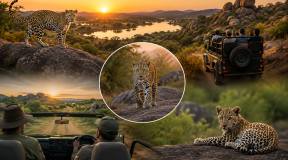
Jawai Bandh sits in a part of Rajasthan that most tourists skip on their first trip — and that’s exactly what makes it special. Tucked between Pali and the edge of the Aravalli hills, this rocky, dam-fed landscape is home to one of the rarest sights in India: leopards living peacefully alongside local shepherd communities, out in the open, not hidden behind fences. If you’re thinking about booking a Jawai Tour Package, the one question that decides everything else — what you pack, what you see, how much you pay — is simple: when should you go?
The honest answer is that Jawai doesn’t have a single “best” month. It has four very different seasons, and each one changes the experience completely. Winter gives you the leopards. Summer gives you the birds. Monsoon gives you the green hills and dramatic skies. Post-monsoon gives you a bit of everything. This guide walks you through all four, month by month, so you can pick the trip that actually matches what you want to see.
What makes Jawai worth this level of planning in the first place is how different it feels from the rest of Rajasthan. There’s no fort here, no crowded bazaar, no queue of tour buses. Instead, you get scattered granite hills that look almost lunar, a dam that dictates the entire local ecosystem, and a Rabari shepherd community that has coexisted with leopards for generations without conflict — the cats den in caves within the hills and largely leave the livestock and villagers alone. That relationship is part of what draws wildlife photographers and researchers here from around the world, alongside regular travellers just looking for something different from the usual Jaipur-Udaipur-Jodhpur circuit.
Because the entire experience is built around wildlife activity and outdoor time, the season you pick genuinely does more to shape your trip here than in almost any other Rajasthan destination. A resort with great rooms won’t fix a monsoon safari closure, and a perfect winter week won’t help you find the migratory birds that only show up in the dry summer months. So before you lock in your dates, it’s worth reading through what each season actually looks like on the ground.
A Quick Snapshot Before We Get Into Details
If you only have thirty seconds, here’s the short version: November to February is peak season and the best window for spotting leopards. March to June is brutally hot but rewarding for birdwatchers. July to September is monsoon, when the safari zone actually shuts down for part of it. October and November are the quiet in-between months when the dam overflows and the hills turn green.
Now let’s go deeper into each one.
Winter in Jawai (November to February): The Leopard Season
This is when most people visit, and there’s a good reason for it. Daytime temperatures hover between a comfortable 10°C and 25°C, the air is dry, and the harsh Rajasthan sun softens into something you can actually enjoy sitting outside in. Because the landscape dries out completely, water becomes scarce, and that’s when the leopards start moving more visibly — they come down from the granite hills in search of water and prey, often right past the safari jeeps.
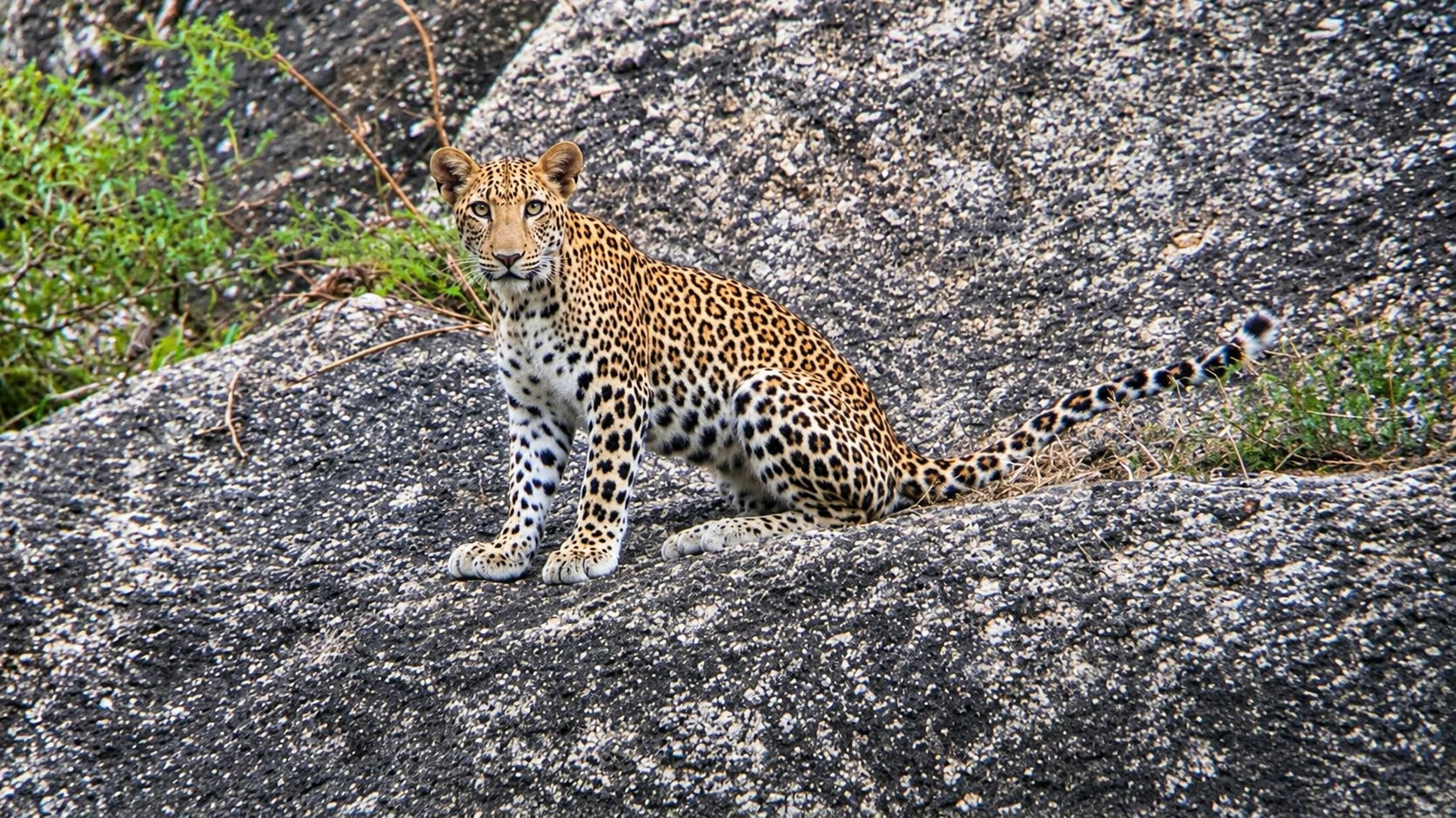
Mornings and evenings, though, can catch first-timers off guard. Temperatures can drop into single digits before sunrise, especially if you’re heading out on the early safari. Don’t assume Rajasthan means constant heat — pack like you’re going somewhere genuinely cold in the early hours.
There’s also a practical reason winter works so well for spotting wildlife beyond just the leopards being thirstier: the scrub vegetation thins out in the dry cold, so visibility across the hills improves noticeably. Guides who know the local leopard families — and in Jawai, many do, since the same cats are tracked and recognised year after year — can often predict which rocky outcrop a particular leopard is likely to be resting on that morning. That local knowledge, combined with the dry conditions, is really what pushes winter sighting rates well above the other seasons.
What to pack for winter:
- A couple of warm layers — sweaters, a proper jacket, maybe thermals if you’re sensitive to cold
- Sturdy, comfortable shoes for walking around the resort and getting in and out of the jeep
- Sunscreen and sunglasses for the daytime, even in winter — the sun is still strong by noon
- Binoculars and a camera with a good zoom, since leopard sightings are often at a distance
- Any personal medication you need, packed in your carry bag rather than checked luggage
If leopards are the main reason you’re visiting — and for most people, they are — winter is when you book your Jawai Jungle Safari Tour Package and don’t look back.
Summer in Jawai (March to June): Not for the Leopards, but Great for the Birds
Summer here is no joke. Temperatures regularly cross 40°C and can touch 45°C in May and June. If you’re not used to dry desert heat, this probably isn’t your season, and leopard sightings tend to be less predictable since the cats retreat deeper into the rocky hills during the hottest hours.
But there’s a flip side. As water bodies shrink elsewhere, birds concentrate around Jawai Bandh and the smaller ponds nearby, making this genuinely one of the best windows for a bird watching tour. Migratory and resident species gather in large numbers, and the open, sparse vegetation actually makes them easier to spot than in denser forest terrain. If photography or birding is your priority over leopards, don’t write off summer entirely — just plan your outdoor time around the early morning and late evening hours when it’s bearable.
Serious birders often prefer summer specifically because the shrinking water sources force birds into a handful of predictable spots, which makes for far more productive outings than trying to cover a huge, spread-out area in cooler months. Demoiselle cranes, painted storks, and a range of raptors are among the species regularly seen around the dam and nearby wetlands during this stretch. If you’re planning a trip purely around birdlife, it’s worth timing your outdoor hours for sunrise and just before sunset, and resting through the punishing midday heat in between.
What to pack for summer:
- Light, breathable cotton clothing — think t-shirts, loose shirts, and comfortable shorts or skirts
- Sunscreen, a wide-brimmed hat, and sunglasses — non-negotiable
- Comfortable sandals or breathable shoes for outdoor time
- Insect repellent, particularly near water bodies where birds gather
- Personal medication and, honestly, more water bottles than you think you’ll need
Monsoon in Jawai (July to September): Green, Dramatic, and Quiet
This is the season most tour operators won’t push on you, and for good reason. The Jawai Reserve is typically closed for part of the monsoon period, which means it isn’t the best time for wildlife sightings. Water is everywhere, the leopards have less reason to venture near open areas, and safari access itself can be restricted.
That said, if you’re the kind of traveller who cares more about atmosphere and photography than a checklist of animal sightings, monsoon has its own charm. The hills turn a deep green, the dam fills up dramatically, and the light after a rain shower is genuinely beautiful. Just go in with the right expectations — this is a scenery trip, not a wildlife trip.
It’s also, quietly, the best time to see Jawai at its most peaceful. Room rates tend to drop, resorts are far less crowded, and you get the rare experience of having viewpoints and village roads almost entirely to yourself. If your schedule only allows for a monsoon trip, don’t cancel it — just shift your expectations away from a guaranteed leopard sighting and toward landscape photography, local village walks, and simply enjoying a slower pace than the packed winter season allows.
What to pack for monsoon:
- Lightweight rain gear — a compact raincoat or a sturdy umbrella
- Waterproof or quick-dry shoes for muddy patches
- Insect repellent, since mosquito activity picks up after rain
- Personal medications, kept in a waterproof pouch
Post-Monsoon in Jawai (October and November): The Underrated Window
This short stretch between the rains and the start of winter is one of the more underrated times to visit. The Jawai Dam is at its fullest, the surrounding hills are still lush from the monsoon, and the weather has cooled down enough to be pleasant without the deep winter chill of December and January. Wildlife activity starts picking back up as the reserve reopens and animals return to more visible ranges.
Mornings and evenings can still be a little cool, so pack accordingly, but overall this is a comfortable, less crowded window — a good option if you want the winter experience without the winter crowds.
Another reason this window works well: pricing across most resort in jawai properties tends to sit between the discounted monsoon rates and the premium winter rates, so you often get near-winter conditions without paying peak-season prices. If your travel dates are flexible, late October into mid-November is worth serious consideration, especially if you’d rather avoid the busiest stretch of the year.
What to pack for post-monsoon:
- Light daytime clothing with a warmer layer for mornings and evenings
- Comfortable walking shoes for uneven terrain
- Sunscreen, sunglasses, and a hat
- Binoculars and a camera, since wildlife is becoming active again
- Personal medication as usual
Jawai Bandh Safari Timings and What to Expect
Regardless of the season, safaris in Jawai run on a fixed rhythm built around when leopards and other wildlife are naturally most active. There are generally two windows in a day: an early morning safari that starts around 6:30 AM and runs for roughly 2 to 3 hours, and an afternoon safari that begins around 3:30 PM, also lasting about 2 to 3 hours. These jawai bandh safari timings shift slightly with the season — winter mornings may start a touch later given the cold, while summer safaris tend to start earlier to beat the heat. Your resort or safari operator will usually confirm the exact slot a day in advance.
Jawai Bandh Safari Price and Booking
Jawai bandh safari price varies depending on the season, the type of vehicle (shared jeep versus private jeep), and whether you’re booking through your resort or independently. Peak winter months tend to carry slightly higher rates given demand, while shoulder seasons like post-monsoon can be a bit more flexible on pricing. Rather than quoting a number that goes stale, it’s worth checking current rates directly — you can see updated pricing on Jawai safari or the jawai bandh resort tariff.
For jawai bandh safari booking, the golden rule is simple: book ahead, especially for winter. Safari permits are limited by design to protect the wildlife and the local ecosystem, and slots during December and January can fill up well in advance. If you’re staying at a jawai bandh resort, most of them — including Agvani — handle the permit and jeep booking for you as part of your stay, which saves you the hassle of coordinating separately. You can also reach out directly through the contact page to lock in your preferred dates and safari slots.
Where to Stay: Choosing a Resort in Jawai
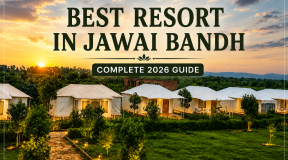
Picking the right resort in jawai matters more here than in most destinations, mainly because Jawai isn’t a place with a busy town center full of hotel options. Most stays are purpose-built properties set right against the granite hills or close to the dam, designed around the safari experience rather than around a typical Rajasthan palace-tourism setup.
When you’re comparing a resort in jawai bandh, a few things are worth checking beyond just the room photos: how close the property actually is to the safari zones, whether meals and safari coordination are included, and whether the resort has naturalists or guides on staff who know the terrain and the leopard families in the area — this last point genuinely changes the quality of your sightings. Agvani Resort is built specifically around this landscape, with easy access to the safari zone and a team that handles your permits, timings, and jeep bookings so you’re not juggling logistics on a holiday.You can browse the resort in jawai rooms and property here or check current jawai bandh resort tariff rates.
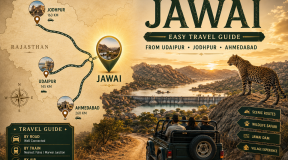
If you’re travelling from Udaipur, Jodhpur, or Ahmedabad, it also helps to plan your route in advance — our travel guide on reaching Jawai covers the road, rail, and air options in detail, and there’s a broader breakdown in our Jawai Bandh travel guide as well.
Best Time to Visit Jawai Bandh: Month-by-Month Cheat Sheet
- November to February — Peak season, best leopard sightings, cold mornings, warm days. Book your Jawai Tour Package early.
- March to April — Warming up fast, still decent for wildlife in the early mornings, good light for photography.
- May to June — Peak heat, tough for wildlife safaris, excellent for a bird watching tour around remaining water sources.
- July to September — Monsoon, reserve partially closed, best for scenery and green landscapes rather than sightings.
- October to November — Dam overflowing, hills green, wildlife activity resuming, fewer crowds than deep winter.
A Few Practical Tips Before You Book
Start checking availability at least a month ahead if you’re targeting December or January — these fill up fastest. If leopards are your priority, don’t compromise on season just to save a bit on off-peak pricing; a summer trip built around wildlife will likely disappoint you. Conversely, if birdwatching or photography of the landscape is your real interest, summer and monsoon can actually be more rewarding than the crowded winter months, and you’ll have the place far more to yourself.
It’s also worth pairing your safari days with the region’s other experiences. Jawai isn’t only about leopards — there’s a strong birdlife circuit, some quiet village walks, and dramatic rock formations worth exploring on a slower day. Our post on tourism in Jawai and best activities in Jawai are good starting points if you want to build out a fuller itinerary rather than just safari-in, safari-out.
Frequently Asked Questions
1. What is the single best month to visit Jawai for leopard sightings?
December and January are usually considered the strongest months. The weather is cool and dry, water is scarce elsewhere, and leopards are more active and visible near the hills during this stretch.
2. Is Jawai open all year round?
Mostly, yes, but the reserve typically closes or restricts safari access for part of the monsoon season (roughly July to September) to protect the wildlife and let the terrain recover. Always confirm current status before booking travel during these months.
3. How many days should I plan for a Jawai trip?
Two nights and three days is a comfortable minimum — it gives you two safari attempts (morning and evening) plus some buffer time to explore the area around your resort. If you can stretch to three nights, you’ll have a much better shot at a strong leopard sighting since it isn’t guaranteed on any single outing.
4. What are the usual Jawai bandh safari timings?
Morning safaris typically start around 6:30 AM and run for about 2 to 3 hours; afternoon safaris usually start around 3:30 PM, also lasting roughly 2 to 3 hours. Exact timings can shift slightly by season, so it’s best to confirm with your resort a day before.
5. How far in advance should I make my jawai bandh safari booking?
For winter travel, book at least three to four weeks ahead if possible. Safari permits are limited, and popular time slots during peak months can sell out quickly.
6. Does the jawai bandh safari price change with the season?
Yes, pricing can vary based on demand, vehicle type (shared or private), and season, with winter typically carrying slightly higher rates. Check the tariff page for current details.
7. Is Jawai suitable for a family trip with kids?
Generally yes, especially in the cooler months. The safaris are jeep-based and not physically demanding, though very young children may find the early morning timings and long jeep rides a bit tiring.
8. Can I combine a Jawai trip with other parts of Rajasthan?
Absolutely. Jawai works well as an add-on to a Udaipur or Jodhpur itinerary since both cities are within a manageable drive. Check our guide on how to reach Jawai from Udaipur, Jodhpur, and Ahmedabad for route options.
9. What should I book first — the resort or the safari?
Book them together if you can. Most resorts, including Agvani, coordinate safari permits directly with your stay, which is simpler and often faster than arranging them separately once you’ve arrived.
10. Is monsoon completely off-limits for a visit?
Not entirely — the reserve does reopen once the heaviest rains pass, and late September into October can be a nice, quiet window with lush green scenery, even if wildlife sightings aren’t as reliable as winter.
Ready to Plan Your Jawai Trip?
Whichever season fits your travel dates, the experience comes together best when your stay and your safari are planned together rather than pieced apart at the last minute. Agvani Resort sits right at the edge of the safari zone and takes care of your permits, jeep bookings, and timings, so all you need to think about is showing up with your camera ready.
Get in touch through our contact page to check current jawai bandh safari price and availability, browse our Jawai Tour Package options on the tour packages page, or explore the resort itself on the resorts in Jawai page. Your leopard sighting — or your perfect birdwatching morning — is closer than you think.