When people think of Rajasthan, they usually picture palaces in Jaipur, lakes in Udaipur, forts in Jodhpur and the camel fair in Pushkar. All of that is worth seeing. But there is another side of the state that many travellers miss, and it sits quietly in the Pali district, among granite hills and open scrubland. That place is Jawai, and tourism in Jawai is one of Rajasthan’s best-kept secrets.
Tourism in Jawai has grown steadily over the last few years, and the reason is simple. This is one of the few places in India where you can see wild leopards living close to villages, temples and farmland, with people and animals sharing the same land. You do not need to be a wildlife expert to enjoy it. You just need some curiosity and a free weekend.
In this guide, we cover what makes Jawai special, the main things to do, the best time to go, how to get there and where to stay. If you already know you want to go, you can jump straight to our Jawai tour packages or contact the team for dates.
What Is Jawai and Why Do Travellers Visit?
Jawai is a rural region in the Pali district of Rajasthan, built around the Jawai Dam and the village of Bera. The landscape is made of large, rounded granite hills, dry grassland, small temples and a few water bodies. The Aravalli range is close by, and the Jawai River feeds the reservoir that the area depends on.
What makes this place different from a regular national park is that the hills are not fenced off. Leopards live in the caves and rocky outcrops and move around the area at night and in the early morning and evening. Local estimates talk about 60 to 65 leopards in the wider region, and the number is believed to be rising slowly. Treat that figure as a rough guide, not an exact census.
The second reason people come here is the Rabari community. The Rabari are traditional herders who have lived in this region for generations. Their respect for the leopard, linked to local belief and to the hill temples, is a big part of why the animals are tolerated here. Many visitors say that meeting the herders was as memorable as seeing a leopard.
So when we talk about tourism in Jawai, we are really talking about wildlife, rural culture, open landscape and quiet. It is not a crowded tourist town, and that is exactly the point.
Jawai Leopard Safari: The Main Reason to Visit
Most people book a trip to Jawai for the leopards, so let us start there.
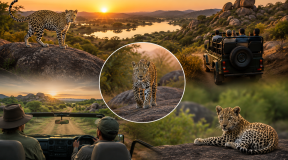
A Jawai leopard safari is usually done in an open jeep, early in the morning or in the late afternoon. The guides know the hills well and track where the animals might be resting or moving. Leopards like rocky ledges and shaded caves, so you will often be asked to scan the tops of boulders rather than the ground.
A few things are worth knowing before you go:
- Sightings are never guaranteed. Some trips are luckier than others. Many guests see a leopard on the first or second safari, but a few need three or four. Staying at least two nights gives you a fair chance.
- Keep quiet and stay seated. Loud voices and sudden movement send a leopard back into the rocks.
- Wear earthy colours. Greens, browns and beige work better than bright reds or whites.
- Carry binoculars or a zoom lens. Even when the animal is close, you will usually watch from a respectful distance.
You may hear that leopards in Jawai have never harmed a person. Serious incidents are extremely rare, and the long history of coexistence here is remarkable. Still, these are wild predators, so always follow your guide and never leave the vehicle on your own. To understand the numbers better, read our post on how many leopards live in Jawai.
For timings, routes and what to expect on the vehicle, see our Jawai safari page.
Other Wildlife You Might See
The leopard gets the attention, but the hills and scrub hold more. Depending on the season, visitors have reported nilgai (blue bull), jungle cat, striped hyena, mongoose, foxes and marsh crocodiles near the water. Sloth bear sightings are possible but less common.
A good guide will help you read the signs, like pugmarks, scratch marks on rocks and alarm calls from other animals. Even on a safari where the leopard stays hidden, you can still come back with a decent list of sightings.
Trekking and Hiking in Jawai
If you like moving on foot, Jawai has plenty to offer. The terrain is rocky and open, with smooth granite domes that are fun to climb and give wide views across the plain. Popular options include a short hill trek near the leopard habitat, a walk around the Jawai Dam area and easy loops across the surrounding hills.
None of these are extreme. Most can be done with normal fitness, though shoes with a good grip are a must because granite can be slippery. Start early before the sun gets strong, carry water and a cap, and walk with a local guide. Avoid walking alone at dawn, dusk or night, since that is when wildlife is most active.
Many guests like to finish a trek at a high point and stay for sunset. The light on the granite turns gold and then orange, and the whole plain goes quiet. Photographs rarely capture it fully.
Village and Cultural Tours
Jawai tourism is not only about animals. A village visit gives you a close look at everyday rural Rajasthan. You can walk or drive through small settlements, see how families live and work, and meet Rabari herders with their colourful turbans and large flocks. You learn about their traditions and the beliefs that connect them to the hills and the leopards.
Please remember that these are real homes and working lives, not a stage. Ask before taking a photograph of someone, greet people with a smile and avoid handing out gifts to children.
Some guests pair a morning safari with an afternoon village walk, which makes a balanced day. You can ask us to include this when you book a Jawai safari or a full package.
Bird Watching at Jawai Dam
Jawai Dam is one of the larger reservoirs in western Rajasthan, and it draws a good number of birds, especially in winter. Over 100 species have been recorded around the area. Depending on when you visit, you might spot flamingos, short-toed snake eagles, black-winged kites, ospreys and a range of waterbirds along the shore.
The best time for bird watching is generally November to February, when migratory birds are around and the weather is pleasant. Early mornings are ideal. Bring binoculars and a light jacket.
You do not have to be a serious birder to enjoy this. A slow walk along the dam edge with a cup of tea and a few good sightings is a nice break from the safari routine.
Photography in Jawai
Jawai gives photographers a lot to work with. The landscape is open and dramatic, the light is warm in the morning and evening, and the wildlife is closer than in many other parts of India.
Granite hills at sunrise and sunset make strong landscape shots. For wildlife, a lens of 200 mm or longer helps. Rabari herders, temples and village scenes make good portraits, as long as you ask permission. On a clear night away from city lights, the stars are sharp.
Local Food to Try in Jawai
Rajasthani cooking has a lot to offer, and in Jawai you can expect simple, honest meals rich in flavour. Look out for dal bati churma (baked wheat balls with lentils and a sweet crumble), laal maas (a spicy red meat curry), ker sangri (a desert dish of dried berries and beans) and gatte ki sabzi (gram flour dumplings in a tangy gravy).
Many resorts in Jawai serve these dishes with fresh vegetables and fruit, and some use produce grown nearby. If you have dietary needs, tell the kitchen when you book and they can usually adjust.
Best Time to Visit Jawai
Jawai can be visited for most of the year, but each season feels different.
October to March: This is the most popular window. Days are pleasant, evenings are cool and birds are at their best from November to February. It is also the busiest period, so book early. If you want to avoid the rush, read why February is a smart month to book.
April to June: It gets hot, but animals tend to stay close to water and the vegetation is thin, which can help sightings. Safaris run early and late in the day.
July to September: The hills turn green and the landscape looks very different. Some tracks can be muddy, so check with the resort before you travel.
If your main goal is to see a leopard in comfort, October to March is a safe choice. For a month-by-month breakdown, read our full guide on the best time to visit Jawai Bandh, Rajasthan.
How to Reach Jawai
Jawai is well connected by road to several cities in Rajasthan and Gujarat.
- By road: You can drive from Udaipur, Jodhpur, Jaipur, Mount Abu and Ahmedabad. Udaipur and Jodhpur are a few hours away, while Jaipur and Ahmedabad are longer, so start early.
- By train: The nearest stations are around Falna and Jawai Bandh. A short taxi ride takes you to the resort.
- By air: The closest major airports are Udaipur and Jodhpur, with taxis available to Jawai.
Routes and timings can change, so check our how to reach Jawai page before you finalise your plan. Our Jawai Bandh travel guide has a detailed breakdown by air, road and train. If you are in Jaipur and want a break from the city, see weekend getaways from Jaipur.
Where to Stay in Jawai
Tourism in Jawai is still developing, so places to stay are limited compared with a regular hill station. That keeps the area quiet, but it also means you should book early, especially in peak months.
Most stays are a mix of luxury tents, cottages and small resorts near the hills. Before you book, check safari inclusions, meal plans, distance to the safari zone, room types and cancellation terms. Our Jawai resort booking checklist covers these points in detail.
At Agvani Resort Jawai, guests can choose luxury tents, cottages and plunge pool options that suit couples, families and groups of friends. The resort is close to the leopard hills and Jawai Dam, so you spend less time on the road and more time enjoying the place. Current rates are on our tariff page.
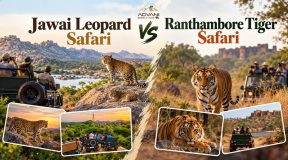
A two-night stay works well for most visitors. It gives you at least three safari windows, plus time for a village visit and a sunset viewpoint. If you have longer, add a bird-watching morning or a trek. Solo travellers can read our guide on Jawai safari for solo travellers, families can see activities for kids in Jawai, and if you are comparing it with a tiger reserve, read Jawai vs Ranthambore.
Frequently Asked Questions About Tourism in Jawai
1. What is Jawai famous for?
Jawai is best known for its leopards, which live in the granite hills near villages. It is also known for Jawai Dam, bird watching and the Rabari herding community.
2. Is Jawai a good place for a leopard safari in Rajasthan?
Yes. It is one of the most talked-about places in the state for leopard sightings, and the open hills make spotting easier than in dense forest. Sightings are not guaranteed, but many visitors do see them.
3. How many days are enough for Jawai?
Two nights and three days is a good plan. If you love birds or photography, stay a night longer.
4. What is the best time to visit Jawai?
October to March is the most comfortable and popular period. Bird watching is best from November to February.
5. Is Jawai safe for families and children?
Yes, with sensible care. Children should stay seated in the vehicle during safaris and follow the guide’s instructions.
6. What vehicle is used for the safari?
Safaris are generally done in open jeeps, which give a clear view and good photography angles.
7. How do I get to Jawai?
You can reach it by road from Udaipur, Jodhpur, Jaipur and Ahmedabad. The nearest stations are around Falna and Jawai Bandh, and the nearest airports are Udaipur and Jodhpur. See our how to reach Jawai page.
8. How do I book a stay and safari?
Use our contact page, call or email, and we will help with dates, rooms and a safari plan. More answers are on our FAQ page.
Final Thoughts
Jawai does not try to impress you with big buildings or loud attractions. It works in a quieter way. You sit on a rock at sunset, watch the light fade across the hills and realise you have not checked your phone for an hour. You hear a bird, or see a shape on a distant ledge, and you remember why you came.
Tourism in Jawai is still young, which means the experience is still close to what it should be: small groups, local guides, honest food and real wildlife. If you want to see Rajasthan beyond palaces and forts, this is a very good place to start.
Plan Your Jawai Trip With Agvani Resort
Ready to see leopards, hills and village life for yourself? Agvani Resort Jawai offers luxury tents, cottages and plunge pool stays, along with guided leopard safaris and local experiences.
- Explore the stay: Resorts in Jawai
- See the packages: Jawai tour packages
- Check the rates: Jawai hotels tariff
- Talk to us: Contact Agvani Resort
Call: +91 74269 36663 Email: info@agvani.com Address: Near HP Gas Agency, Bera, Rajasthan 306126
Book your Jawai leopard safari today and make your next Rajasthan trip a little wilder.